Thursday, April 14, 2011

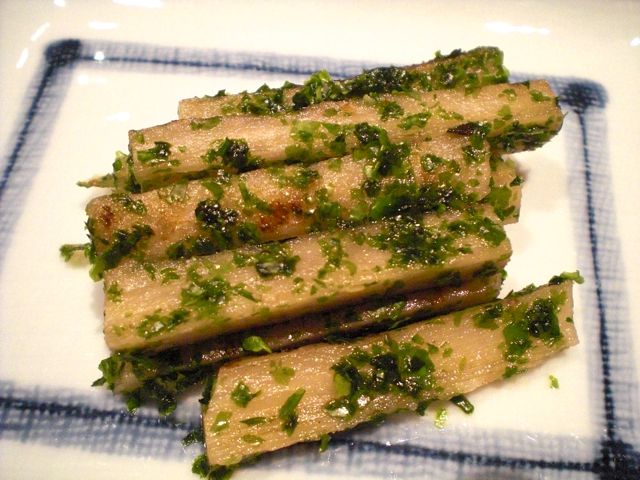
Simmered Burdock with aonori 牛蒡の青海苔まぶし

This is a new gobo dish for me.  I have not seen, made, or tasted this before. After buying two burdock roots or gobo 牛蒡, I had an excess supply and searched for gobo recipes. I came across this one at e-recipe.com. For more precise recipe, please see e-recipe (in Japanese).

For two servings of the dish seen above, I used the stem end half of the gobo. After the usual scraping of the skin with the back of a knife routine, I cut the gobo into large sticks, half inch or 1 cm diameter and placed them in acidulated water and soaked them for 10-15 minutes with several changes of water.

In a small pot, I added dashi (100ml), sugar (1 tsp) and a small pinch of salt. I reduced the sugar from the original recipe (1 tbs) but even with the reduction it was plenty sweet for me. I placed the gobo in the pot and simmered with a otoshibuta 落し蓋 made of aluminum foil on low flame for 15-20 minutes or until the liquid was almost completely gone. I let it cool down. Just before serving, I added aonori 青海苔(2 tbs or whatever amount you like) to the pot and coated the gobo.

This is a really interesting dish. Beside the flavor of gobo itself, it has sweet and salty taste and the oceanic flavor of aonori. We like other gobo dishes better but this is not bad and certainly different. 

Tuesday, April 12, 2011

Simmered "tarako" cod roe 鱈子の煮付け

This is another tarako dish which is a perfect Izakaya style drinking snack and goes perfectly with sake. I made this dish since I thawed a set of tarako roe (called "hitohara" 一腹 or "one belly" which consists of two roe sacs connected at one point). I made tarako omelet with one sac and the other sat in the fridge for two more days and needed to be quickly prepared.

Seasoning liquid: This is a rather easy dish, especially in my case, since I had leftover broth from making "Negi-ma nabe"  ねぎま鍋 the other day. I just strained the broth and adjusted the seasoning by adding sake, mirin and soy sauce. If you are making the both from scratch; dashi broth (200ml), mirin (2-3 tbs), sake (2tbs) and soy sauce (2-3 tbs) will do it. Some like it sweet and add sugar but I do not. I also add julienne of ginger root (3 thin slivers cut into fine julienne).

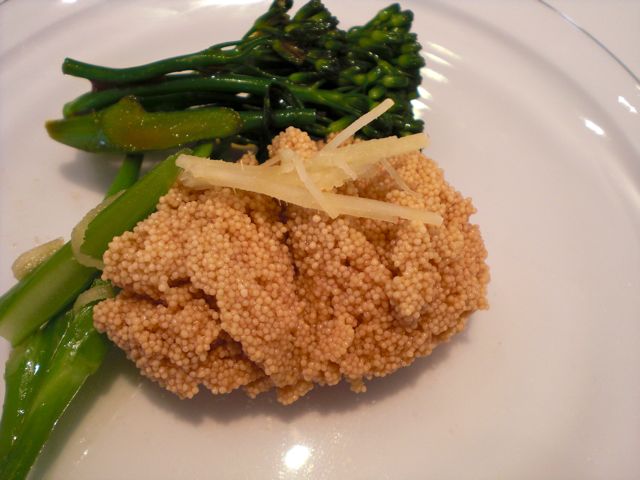
Tarako: Some recipes call for "raw" or unpreserved tarako. The only raw roe available around here is shad roe, which may also be used in this dish but I have not tried. So I used the usual salted tarako. It is interesting that the saltiness of the tarako reduces to the saltiness of the simmering liquid when it is cooked. So I do think either raw or salted tarako will work in this dish. I first cut one side of the membrane along the long axis and then cut it in 1 inch segments. I like this way rather than keeping a roe sac intact while cooking and then slicing it when serving. The way I prepared it made the tarako "blossom" when cooked like you see here in the picture, since the sac membrane will contract and invert the roe. This, to me, is more presentable and gives a better texture.

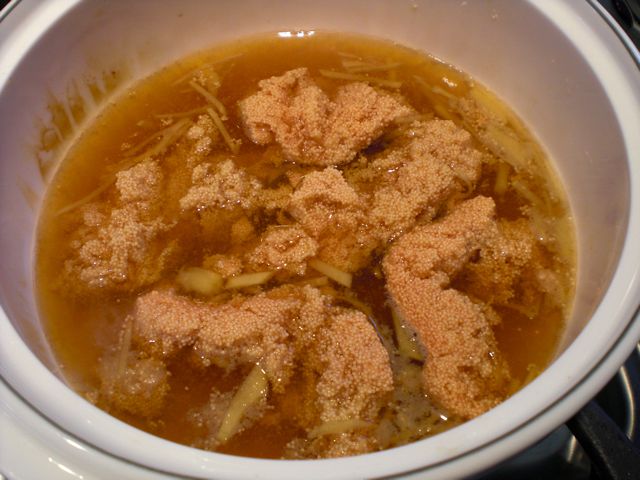
When the seasoning liquid came to a simmer, I added the tarako and simmered it gently for 15 minutes and let it cool to room temperature in the simmering liquid (Picture below).
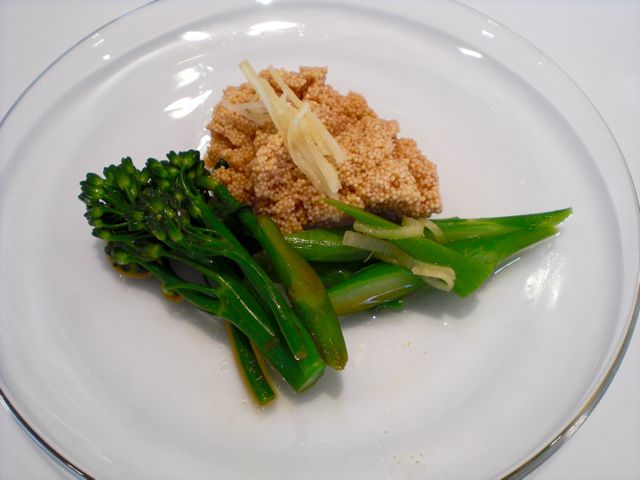
You could serve this cold, at room temperature or reheated. I served this with blanched broccolini* (which looks somewhat like Japanese mustard green or "nanohana" 菜の花 but does not taste like it) dressed with karashi-zyouyu 芥子醤油 (Japanese hot mustard, sugar, and soy sauce). For good measure, I added fresh fine julienne of ginger or hari-shouga 針ショウガ as garnish. This dish has a nice chewy and interesting texture which is quite different from uncooked tarako and rather bright ginger flavor.  A really nice dish.

*This was developed by a Japanese seed company but is much more popular in the U.S than in Japan for some reason. If you are interested, here is a story about broccolini (in Japanese).

Sunday, April 10, 2011

Hand-made udon 手打ち煮込みうどん

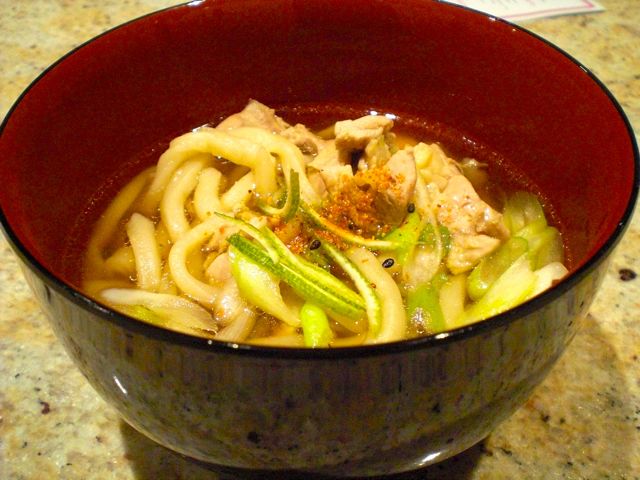
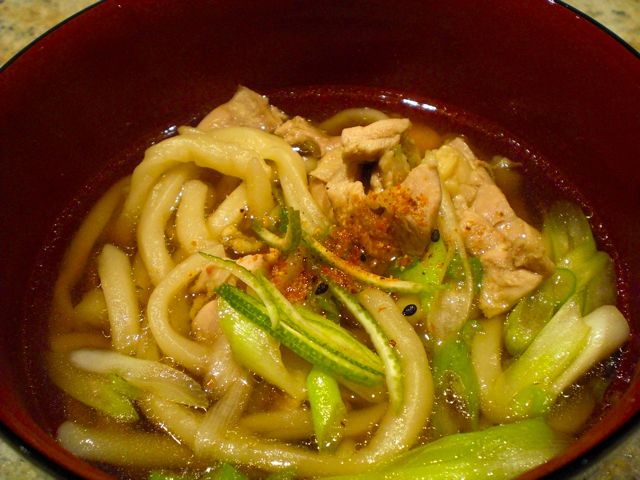
This is hand-made (home-made) udon but I did not make the udon. It was made by Chef Masaya Kitayama of Sushi Taro . I am just showcasing his contribution. We had another extraordinary "omakase" dinner at Sushi Taro. Although everything was excellent as usual, there were a number of "stand-outs" such as grilled "shirako" 白子, grilled bamboo shoot 竹の子, ankimo 鮟肝 (not the usual pre-processed frozen kind I get), bonito tataki 鰹のたたき (done in a special way using fine grained salt), and firefly squid 蛍イカ. It is very nice touch that Masa serves dishes anticipating our preferences--serving just the right amount.  Even though we had pleasantly left hunger well behind by the end of the meal, we asked for one more sushi just for the pleasure of it.  After we finished, Masa said he had a souvenir for us. He brought out a Soba cutting knife, and I said "Hand-made soba" but I was wrong. It was hand-made udon or "teuchi udon" 手打ちうどん. The dough was already rested, folded and ready to be cut. In front of us, he cut the dough into udon noodles. Masa said, he had to try several times to get the right mixture of flours to make a perfect dough. The next evening I made this "nikomi udon" 煮込みうどん with scallion and chicken as a "shime" dish.


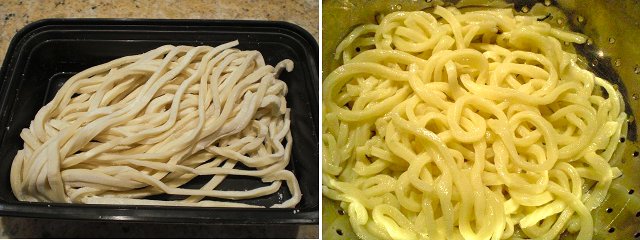
Udon: The image below on the left is Masa's teuchi udon before cooking. I cooked it in plenty of boiling water for 10 minutes and washed it in cold running water and drained (right image below).

Chicken: I used two chicken thighs, deboned, skin removed. The chicken had been marinating in sake for a day in the fridge. I cut the chicken into bite sized pieces and dunked them into boiling water for 30 seconds until the surface turned white ("frosting" or shimofuri 霜降り process). I drained and washed in running cold water. All this is to remove any possible strong or gamey taste that the chicken may have or in Japanese culinary parlance, "kusami o toru" 臭みを取る.

Broth: I could have made my own "kaeshi" かえし but I did not. I made dashi broth from a dashi pack. I placed the dashi pack in cold water (about 2 cups) on low-medium flame and continued simmering for 2-3 minutes after it came to gentle boil. I removed the dashi pack and added bottled mentsuyu 麺つゆ (x2 concentrate) tasting and adding until I was satisfied. You could use a combination of mirin, sake and soy sauce instead. Although I did not make home-made "kaeshi", this method produced a very good broth for noodles.

Scallion: I used scallion (3 with some green parts attached) cut the white part into 1 inch length on a slant. I chopped the green parts more finely. 

I added the udon noodles, chicken, and the white part of the scallion to the broth and simmered for 3-4 minutes until the chicken was just done. I added the chopped green parts of the scallion and took the pot off the flame.

I divided the udon into two bowls and garnished with lime zest, thinly shaven and cut into very fine strips (since I did not have "Yuzu" 柚子) and splashed "Yuzu" juice from the bottle (of course, use Yuzu if you have a fresh one). I also sprinkled Japanese 7 flavored red pepper or shichimi tougarashi 七味唐辛子.

Nothing commercially made, either frozen or dried, can come close to Masa's teuchi udon. The texture was so different and nice-it had a satisfying al dente feel but was quite soft at the same time. My contribution was very mild tasting chicken and the broth. The broth was excellent (if I say so myself despite my shortcut way.) We had this as a shime dish and it was a very pleasant extension of the fabulous meal we had the night before. What a satisfying finale. Thank you Masa.

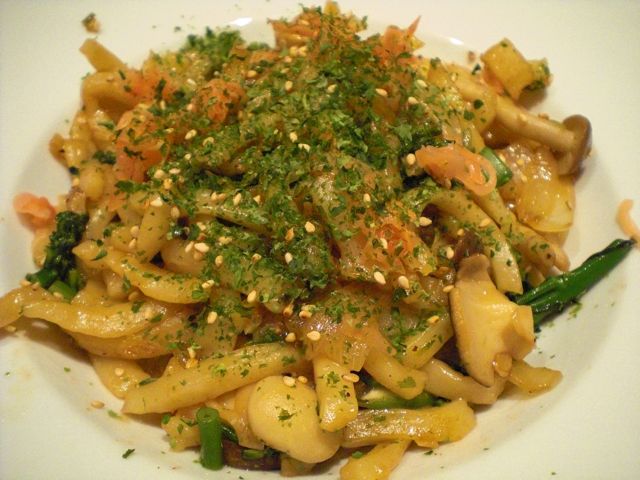
P.S. We ate the remaining udon the next evening (for us, the amount of the Masa's teuchi udon was enough for 4 servings). By my wife's request, I made, fried udon or yakiudon 焼うどん. This time, I made it vegetarian with shimeji and royal trumpet mushrooms, onion, garlic, ginger, and broccolini. I seasoned it with oyster sauce and soy sauce. The garnish is the usual pickled ginger, white sesame seeds and aonori.


Saturday, April 9, 2011

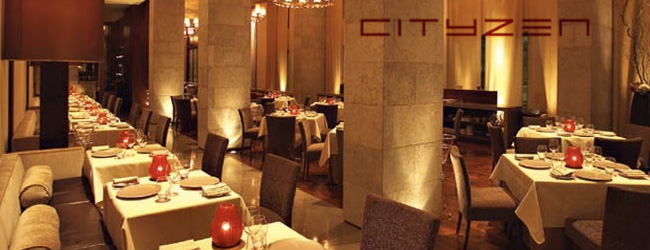
CityZen for Japan

It is heart wrenching to watch the hardships of Japanese Earth Quake survivors. After considering what we could do to help, even a little thing, we decided to join in Chef Eric Ziebold's (of CityZen) fund raising effort for Japan. One of our concerns about making donations is making sure they actually get to the survivors. Eric personally responded to our questions about how the funds are delivered to the survivors (through Relief International). It appears our favorite Japanese restaurants such as Tako Grill, Sushi Taro are also participating.

If you are interested here is the link:
https://www.ri.org/donate/donate-cityzen.php

A Benefit for the People of Japan: Dinner & Auction at CityZen
On Monday, April 18, Washington D.C.'s celebrated CityZen restaurant at the Mandarin Oriental, in collaboration with the Asia Society and Washington Life Magazine, will be hosting a dinner fundraiser to support Relief International's response efforts in Japan. The evening's proceeds will provide direct support to earthquake and tsunami survivors.


The Evening's Agenda – Monday, April 18
6 p.m. to 7 p.m. Reception and silent auction
7 p.m. to  9 p.m.Live auction and food stations from CityZen partnering with our friends from Washington's best Japanese restaurants.
Ticket Cost:$250 per person; 100% of ticket sales directly benefits Relief International's aid efforts in Japan. Once purchased, tickets can be picked up at the entrance of the event.
Dinner Location:CityZen Restaurant
Mandarin Oriental Hotel
1330 Maryland Avenue, SW
Washington, D.C. 20024

Friday, April 8, 2011

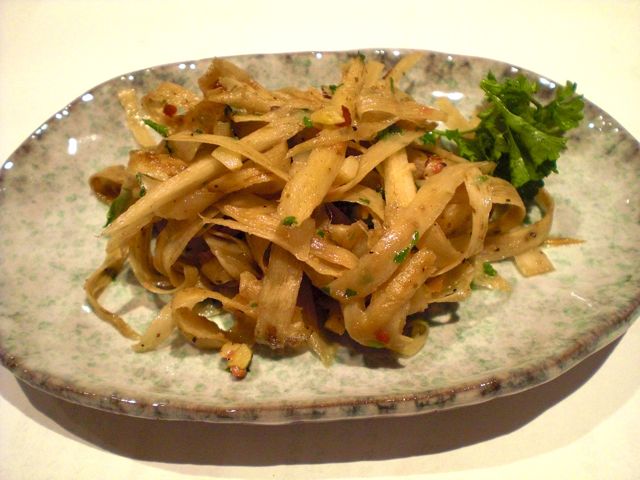
Burdock fettuccine with red pepper and anchovy 牛蒡のペぺロンチーノ

When I buy gobo 牛蒡, I usually get one gobo at a time but this time, the minimum amount I could buy was two. So, besides my usual, kimpira 金平 or nituske 煮付け, I decided to expand my repertoire of gobo dishes. Emulating noodles by using julienned and/or long shavings of vegetables (such as potatonagaimo or daikon )(for that matter, spaghetti squash does not even need to be cut into a noodle shape) is not unusual but making noodles from gobo is new to me. I saw this in e-recipe and decided to try it.

Gobo: I used the stem half of gobo for two servings. After I scraped off the skin using the back of the knife under running water, I used a vegetable peeler to make nice thin long strips. I immediately put the gobo strips in acidulated water. I changed the water several times until the water became clear. I drained and patted the gobo strips dry using paper towels.

Cooking: I heated olive oil (1 tbs) in a frying pan on medium-low flame. I added garlic (two cloves, finely chopped) and anchovy (2 fillets, finely chopped). When the garlic and anchovy became fragrant, I added the gobo strips and red pepper flakes. I stirred it for 2 minutes more or so and seasoned it with salt (taste before adding salt, the anchovy may be salty enough) and black pepper. I added chopped fresh parsley at the end.

This is a surprisingly good dish.  It has a nice spiciness and the gobo provides a pleasing firm texture. The garlic, anchovy, and red pepper create layers of flavors that all go well together. This is a perfect drinking snack. Any drinks including cold sake (not warm sake), wines (especially a nice peppery Australian syrah) and beer will pair well.